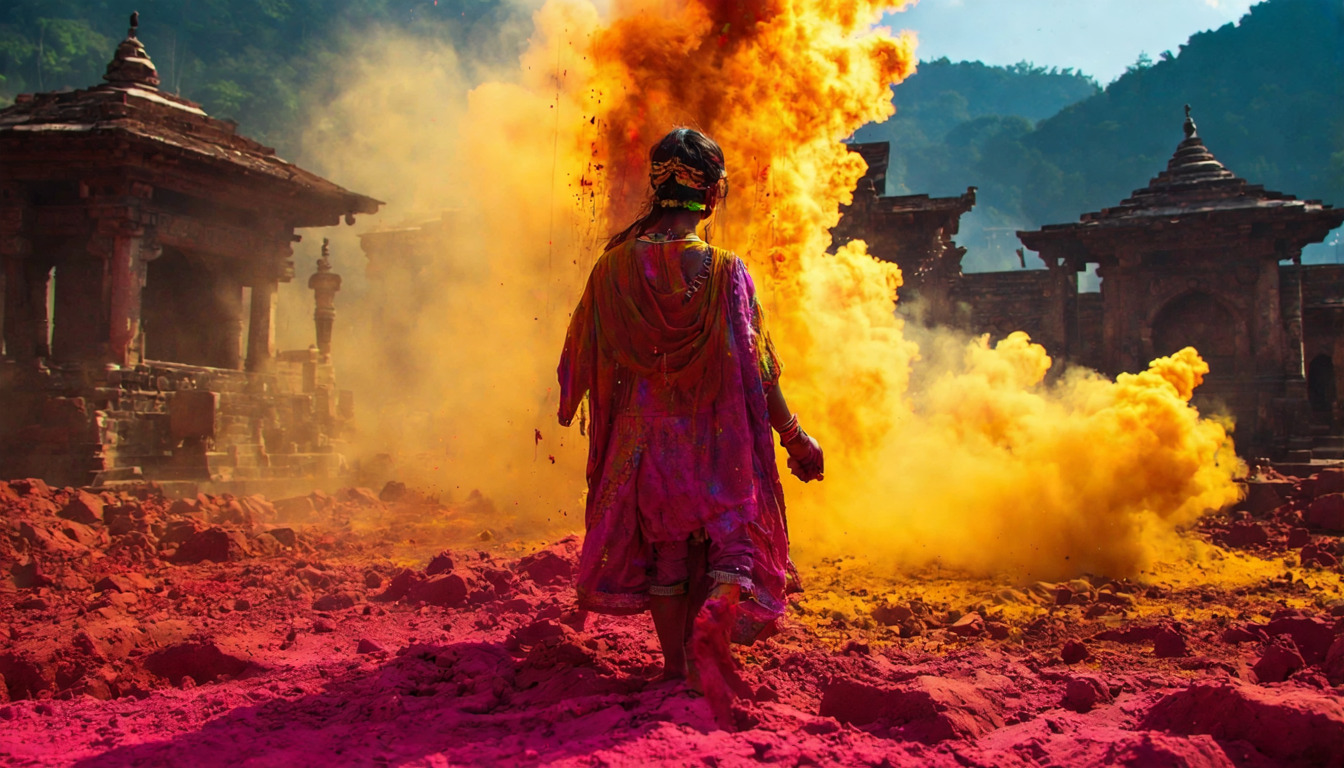
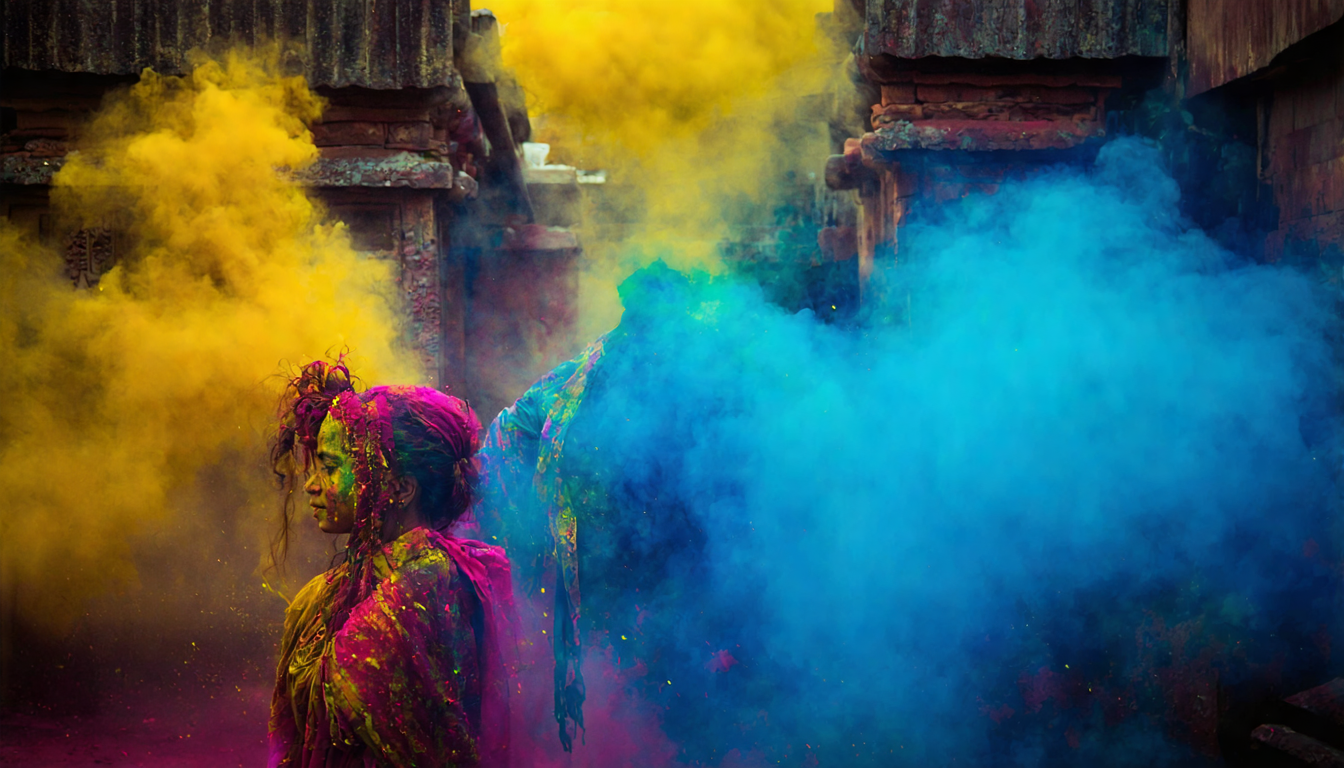
The Holi festival, known as the Festival of Colors, holds immense cultural significance in Nepal, where it is celebrated with great enthusiasm and vibrancy. This ancient Hindu festival marks the arrival of spring and the victory of good over evil, symbolizing the rejuvenation of nature and the spirit of joy and togetherness.
In Nepal, Holi is celebrated by people of all ages and backgrounds, transcending social and cultural barriers. The festival usually falls in March, during the full moon of the Hindu month of Falgun. Preparations for Holi begin days in advance, with people gathering colorful powders, water balloons, and festive foods. The atmosphere is filled with excitement as friends and families come together to plan their celebrations.
During the festival, participants throw colored powders, known as ‘gulal’, at each other and drench one another with water. This playful exchange fosters a sense of unity and harmony among communities. It is not uncommon to see people from different castes and backgrounds joining hands in the celebration, reflecting the essence of Holi as a festival that promotes inclusivity and love.
Holi is also steeped in mythology, particularly the legend of Prahlada and Holika. According to Hindu beliefs, Prahlada, a devotee of Lord Vishnu, was saved from the flames by his faith, while his wicked aunt