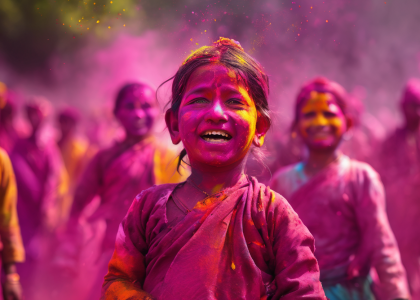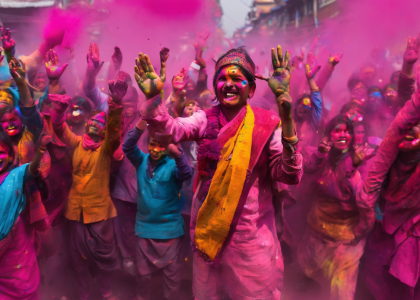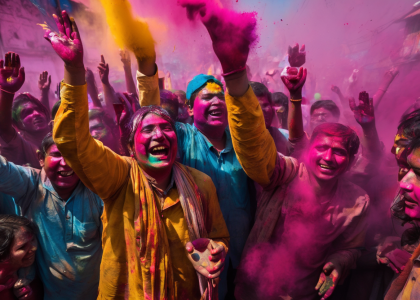
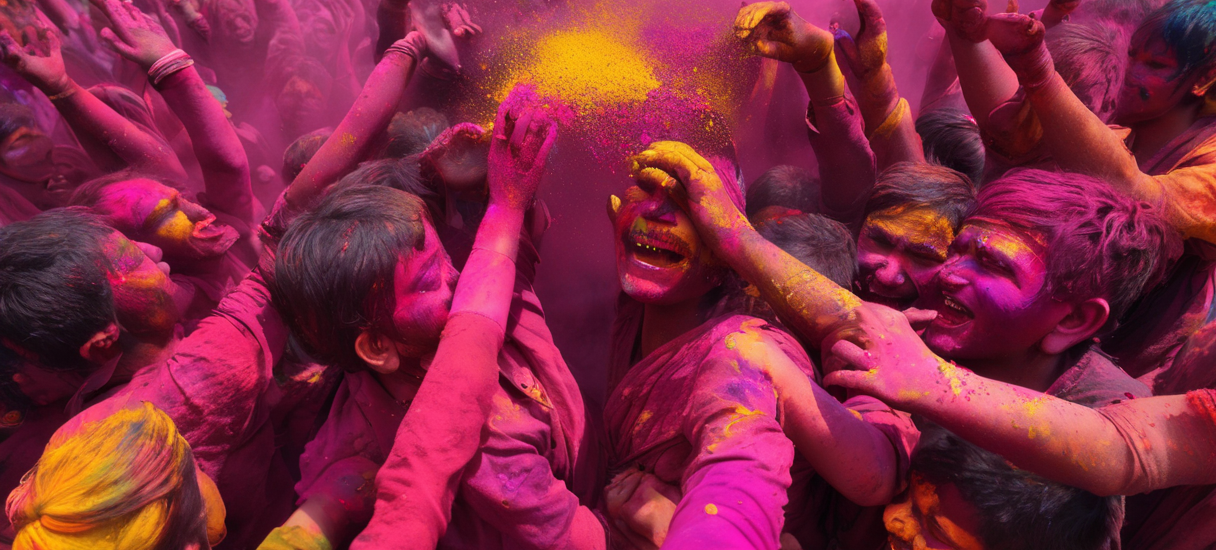
Holi is a vibrant and joyous festival that holds great significance in Nepal. It is known as the “Festival of Colors” and is celebrated by people of all ages and backgrounds with great enthusiasm and zeal. The festival marks the onset of spring and a new beginning, symbolizing the triumph of good over evil. Holi is deeply rooted in the history and culture of Nepal, and its celebration varies in different regions of the country.
In some regions, Holi is celebrated for a week with various colorful rituals and traditions. The festival begins with a bonfire known as “Holika Dahan”, where people gather to pray and sing hymns around the fire. This is followed by a day of playing with colored powders and water, known as “Rangwali Holi”. In the Terai region of Nepal, Holi is celebrated with much grandeur and includes folk dances, singing, and feasting on traditional delicacies. Whereas in the hilly and mountainous regions, Holi is celebrated by smearing colors on each other’s faces and dancing to the beats of drums.
Holi in Nepal is not just about the vibrant colors and festivities, but it also holds deep cultural and social significance. The festival bridges gaps between people of different castes and social statuses, as everyone comes together to celebrate in harmony. It is also a time for forgiveness and letting go of grudges, as people apply colors to each other as a symbol of love and unity. Moreover, it is a great opportunity for tourists to immerse themselves in the culture and traditions of Nepal, as they witness the colorful and joyous celebration of Holi.
In conclusion, Holi is much more than just a festival of colors in Nepal. It is a celebration of spring, new beginnings, and the triumph of good over evil. The festival not only brings people together but also promotes cultural understanding and harmony. So, if you ever get the chance to visit Nepal during Holi, make sure to join in the colorful celebration and witness the beauty and significance of this festival in all its glory.